
Meal Planning Tips for a Healthier Lifestyle
Master meal planning with practical tips to nourish your body, save time, and achieve your health goals. Discover how to build balanced meals, stay flexible, and keep your routine exciting with variety and creativity.
NUTRITION
Alija Lozano
1/5/20252 min read

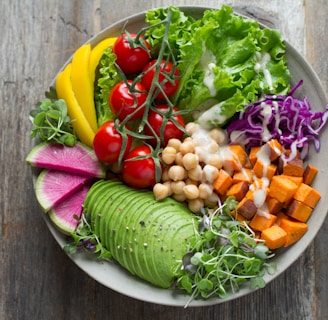
Meal Planning Tips for a Healthier Lifestyle
Meal planning is one of the most effective ways to take control of your health, save time, and reduce stress around food choices. Whether your goal is weight loss, maintaining energy levels, or simply eating balanced meals, a thoughtful meal plan can be a game changer. Here are some practical tips to get you started:
1. Set Clear Goals
Before diving into meal planning, identify your objectives:
Are you trying to lose weight? Focus on portion control and calorie-dense but nutrient-rich foods.
Want to eat more vegetables? Incorporate a variety of colorful produce into your meals.
Looking to save time? Opt for recipes that can be batch-cooked or prepared quickly.
Defining your goals will help tailor your meal plan to suit your needs.
2. Build Balanced Meals
A well-balanced meal includes:
Lean Proteins: Chicken, turkey, tofu, fish, eggs, or legumes to keep you full.
Healthy Carbohydrates: Whole grains like quinoa, brown rice, or sweet potatoes for sustained energy.
Healthy Fats: Avocado, nuts, seeds, or olive oil for essential nutrients.
Vegetables: Aim for half your plate to be filled with non-starchy veggies.
Fruits: Add a serving of fruit for natural sweetness and vitamins.
3. Plan Ahead
Choose Recipes: Pick meals for the week based on your schedule. Select simple recipes for busy days and more elaborate ones for when you have time.
Make a Grocery List: Write down ingredients for your chosen recipes and stick to your list while shopping.
Batch Cook and Prep: Prepare staples like grilled chicken, roasted vegetables, or quinoa in advance to save time during the week.
4. Keep It Simple
You don’t need to prepare gourmet meals every day. Some simple strategies include:
Rotating a few favorite meals to reduce decision fatigue.
Preparing one-pot or sheet pan meals for easy cleanup.
Using pre-cut or frozen vegetables for convenience.
5. Embrace Portion Control
Overeating healthy foods can still hinder your progress. Use these tips for portion control:
Use Smaller Plates: It tricks your brain into feeling satisfied with less.
Pre-Portion Snacks: Divide snacks like nuts or fruits into small containers to avoid overeating.
Measure Ingredients: Especially when starting, to learn appropriate portion sizes.
6. Avoid Food Waste
Plan meals around ingredients you already have at home.
Use leftovers creatively, like turning roasted vegetables into a salad or repurposing grilled chicken into a stir-fry.
Freeze extra portions for a future meal.
7. Incorporate Variety
Eating the same meals can lead to boredom and derail your plan. Try:
Exploring different cuisines, like Mediterranean, Asian, or Mexican.
Switching up proteins and vegetables weekly.
Experimenting with new spices and herbs to keep flavors exciting.
8. Stay Flexible
Life happens, and sometimes plans change. Build flexibility into your meal planning by:
Keeping pantry staples like canned beans, whole grains, and spices for quick meals.
Allowing room for dining out or ordering takeout occasionally.
9. Use Technology
Apps like MyFitnessPal or Paprika can help you organize meal plans and track your nutrition.
Look for meal prep inspiration on Pinterest or Instagram.
10. Start Small
If planning a week’s worth of meals feels overwhelming, start with just 2-3 days. Gradually increase as you get more comfortable with the process.
Meal planning doesn’t have to be complicated. With a bit of preparation and creativity, you can nourish your body while simplifying your routine. Remember, consistency is key—even small steps will lead to lasting health benefits. Start planning today and enjoy the confidence that comes with knowing your meals align with your health goals.