
Understanding Nutrition Basics
Discover the essentials of nutrition with our comprehensive guide. In this blog, we break down the basics of healthy eating, from understanding macronutrients and micronutrients to creating balanced meals and making small, sustainable changes for lasting results. Whether you're embarking on a wellness journey or simply looking to enhance your dietary habits, this resource will equip you with the knowledge and tools to nourish your body and thrive.
NUTRITION
Alija Lozano
1/5/20252 min read

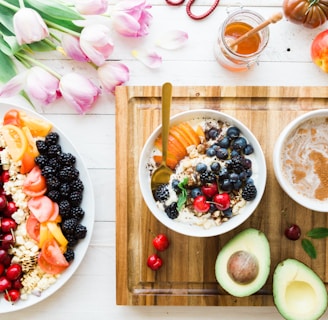
Understanding Nutrition Basics
Nutrition is the cornerstone of a healthy, vibrant life. It’s not just about eating; it’s about fueling your body with the right nutrients to thrive. Understanding the basics of nutrition can empower you to make informed food choices, enhance your well-being, and achieve your health goals. Let’s explore the essentials of nutrition and how you can incorporate them into your daily life.
What is Nutrition?
Nutrition refers to the process of consuming and utilizing nutrients from food for growth, energy, and overall health. It involves six essential nutrient groups:
Carbohydrates: The body’s primary energy source. Found in foods like fruits, vegetables, whole grains, and legumes.
Proteins: Essential for building and repairing tissues. Sources include lean meats, eggs, dairy, tofu, and beans.
Fats: Necessary for energy and supporting cell growth. Choose healthy fats like avocados, nuts, seeds, and olive oil.
Vitamins: Crucial for various bodily functions, including immunity and energy production. Found in a wide range of fruits, vegetables, and fortified foods.
Minerals: Support bone health, hydration, and nerve function. Key minerals include calcium, magnesium, potassium, and iron.
Water: Vital for every system in the body. Aim to drink at least 8 cups a day or more, depending on your activity level.
The Importance of Balanced Nutrition
A balanced diet ensures you get the right mix of nutrients to maintain optimal health. Each nutrient plays a specific role, and a deficiency in any can lead to health issues. Here’s why balance matters:
Energy Levels: Carbs provide quick energy, while proteins and fats offer sustained energy.
Physical Health: Nutrients support everything from strong bones to a robust immune system.
Mental Clarity: Proper nutrition helps improve focus and mood.
Tips for Building a Healthy Plate
Follow these simple guidelines to create balanced meals:
Fill Half Your Plate with Vegetables and Fruits: Choose a variety of colors to maximize nutrient intake.
Include Lean Proteins: Opt for grilled chicken, fish, tofu, or legumes.
Choose Whole Grains: Swap refined grains for whole-grain options like brown rice or quinoa.
Add Healthy Fats: Use olive oil, avocado, or nuts sparingly.
Hydrate: Pair your meals with water or herbal teas instead of sugary drinks.
Understanding Food Labels
Learning to read food labels can help you make healthier choices. Focus on these key sections:
Serving Size: Check how much you’re consuming relative to the listed serving.
Calories: Ensure your portion fits within your daily calorie needs.
Nutrients: Aim for higher fiber, vitamins, and minerals, and lower saturated fat, added sugars, and sodium.
Ingredients: Look for whole, recognizable ingredients and avoid overly processed items.
Common Nutrition Myths Debunked
Carbs Are Bad: Not all carbs are equal. Whole grains, fruits, and vegetables are healthy carbs.
Fat Makes You Fat: Healthy fats are essential and can aid in weight management when consumed in moderation.
Skipping Meals Helps Weight Loss: Regular, balanced meals support metabolism better than skipping meals.
Small Changes for Big Results
Incorporating healthy habits doesn’t have to be overwhelming. Start with these small steps:
Swap sugary snacks for fruits or nuts.
Add an extra serving of vegetables to your meals.
Plan meals to avoid last-minute unhealthy choices.
Cook at home more often to control ingredients.
Understanding nutrition basics is the first step to nourishing your body and achieving your health goals. By focusing on balanced meals, learning to read food labels, and making small, consistent changes, you can build a foundation for a healthier, happier life. Remember, good nutrition is a journey, not a sprint. Start where you are, and celebrate every step towards better health!